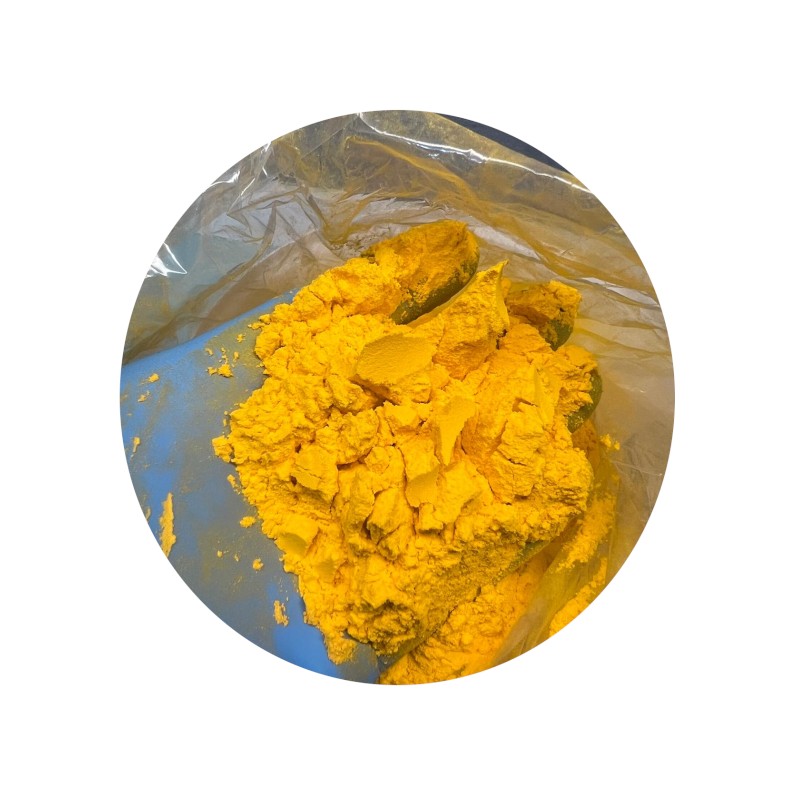


Natural Yellow Dye - Riboflavin 10% E101
Riboflavin, also known as vitamin B2 or E101, is an essential vitamin and a natural food colorant. It is widely used in the food and beverage industry to add a yellow or yellow-green color, and is an important nutrient for human health.

Política de segurança (editar com o módulo Garantia do cliente)

Política de entrega (editar com o módulo Garantia do cliente)

Política de devolução (editar com o módulo Garantia do cliente)
Characteristics of E101:
Origin: It can be obtained naturally from sources such as yeast, milk, eggs and green vegetables, or synthesized in the laboratory.
Color: Yellow or greenish-yellow.
Solubility: Soluble in water.
Stability: Sensitive to light (photosensitive), and may degrade when exposed to ultraviolet light.
Applications:
Food: Used in products such as pasta, cheese, soups, breakfast cereals, energy drinks and vitamin supplements.
Supplements: Often added to dietary supplements due to its essential role in metabolism.
Cosmetics: It can also be found in cosmetic products to add color or for its nutritional properties.
Nutritional Function:
Riboflavin is vital for the human body, playing important roles such as:
Energy metabolism: Helps in the conversion of carbohydrates, fats and proteins into energy.
Skin and eye health: Helps maintain healthy vision and skin.
Antioxidant: Helps protect cells from oxidative damage.
Safety: Riboflavin (E101) is considered safe for consumption and is widely used in foods and supplements. It is approved by regulatory agencies such as EFSA (European Food Safety Authority) and FDA (US Food and Drug Administration). There are no known toxic effects when consumed in adequate amounts.
Recommended Dosage: The recommended daily intake of riboflavin varies according to age, sex and specific conditions. In general:
Adults: 1.3 mg/day for men and 1.1 mg/day for women.
Pregnant and lactating women: May require larger amounts.
Fun facts: Riboflavin is fluorescent under ultraviolet light, which makes it useful in scientific experiments.
Its deficiency can cause conditions such as ariboflavinosis, which includes symptoms such as cracked lips, inflammation of the tongue and sensitivity to light.
330.036